

Back Pain in Pregnancy
Back pain in pregnancy is very common, this does NOT mean it is normal. The many anatomical and physiological changes which occur during pregnancy put a womens skeletal system at more risk of developing dysfunctions, resulting in pain.
At Becky Aston Physiotherapy practice, we will assess your problem and develop a treatment plan to address the pain, and return you to function. Treatment may include manual techniques, massage, exercise and advice regarding how to acheive your daily routine with minimal pain.
Pelvic Girdle Pain
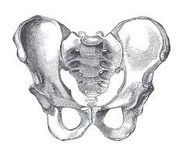
Pelvic girdle pain or PGP affects a surprisingly large number of pregnant and post natal women. It is commonly known as Symphysis Pubis Dysfunction (SPD), however SPD suggests that pain and dysfunction is only at the front of the pelvis and often pain is also experienced at the back of the pelvis. PGP is now widely accepted internationally as the correct term for this condition.
Pregnant women can develop PGP at any point during pregnancy and some women will experience no symptoms until after delivery. There are a wide range of symptoms and severity. Whatever your symptoms and severity, in most cases PGP is a treatable condition and can be treated safely in pregnancy. Treatment options include manual therapy, trigger point massage, stability exercises, pelvic support belt and advice on activities of daily living. It is important to seek treatment early, but never too late to help.
Symphysis Pubis Dysfunction
Symphysis Pubis Dysfunction is now known as Pelvic girdle dysfunction. Please see the information above regarding PGP. A useful website is www.pelvicpartnership.org.uk
Shoulder and wrist pain
Shoulder and wrist pain occurs during and after pregnancy due to a alteration in the upper spinal posture, increases in circulatind body fluids and upwards movement of the rib cage to allow room for your growing baby.
A thorough assessment will allow your Physiotherapist to identify the contributing causes and plan your treatment. Treatment may involve manual therapy to the spine and ribs, exercise, massage, hot/cold therapy or use of wrist splints.
Bladder and Bowel control problems in pregnancy
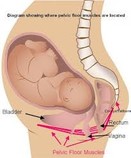
Not surpisingly your bladder and bowel dont work as well during pregnancy due to the physiological changes of pregnancy taking effect and the weight of your growing baby challenging your pelvic floor muscles to work harder.
Evidence shows that women who do pelvic floor exercises regularly during pregnancy are less likely to have bladder and bowel problems after delivery. However it is often very difficult to know whether you are doing the right thing with your pelvic floor. Becky Aston can discuss any problems you are having and make sure you are follwing the right steps to treat any current problems or prevent development of them in the future.
Pelvic Floor Pain after delivery
The pelvic floor works hard during delivery and some women will feel discomfort or pain in the pelvic floor after delivery. Physiotherapy can help reduce pain and encourage healing in the post natal period and beyond.
Stress Urinary Incontinence
Stress urinary incontinence describes the loss of urine during exercise, coughing, sneezing, laughing and any other movements that put pressure on the bladder. There are many factors which contribute to this problem, including childbirth, weak pelvic floor muscles, high impact exercise, constipation and obesity. The good news is that treatment works!
Treatment includes a thorough assessment to identify the problems and the contributing factors. Then a supervised programme of pelvic floor exercises and other physiotherapeutic techniques which will lead you to success.
Over Active Bladder Syndrome
Over active bladder syndrome (OAB) describes a group of symptoms, you may suffer with one or all of them. They include:-
- Uncontrollable urgency to reach the toilet
- Leakage of urine if you dont reach the toilet in time
- Frequency to go to the toilet (usually more than 8 in 24 hours)
- Getting up at night more than 1-2 times to urinate
Treatment includes a thorough assessment of your bladder function including, fluid in and out put as well as other physiotherapeutic techniques to make your bladder behave better.
Bowel Incontinence
Bowel incontinence is less common than bladder problems but often more distressing. It can include a sudden uncontrollable urge to empty your bowels, an inability to hold onto a bowel movement, leakage of small amounts of faeces after you thought you had emptied and difficulty or the inability to hold onto wind.
Treatment involves pelvic floor exercises, concentrating on the muscles around the back passage as well as strategies to improve bowel function.
Pelvic Pain
Pelvic Pain is usually a debilitating condition which has lasted for more than 6 months. It describes pain in the pelvic floor, lower abdominal, pelvic region including urethral, bladder and anal pain.
The pelvic floor muscle structures can hold negative tension and become over active. They often benefit from being released using manual techniques and breathing exercises to reduce the tension held with in the muscles. Terms linked to this condition include vulvar vestibulitis, vaginal, labial, and clitoral pain, vaginismus, anismus and proctodynia. All of these conditions may be helped by a Womens Health Physiotherapist.
 Print
Print 